
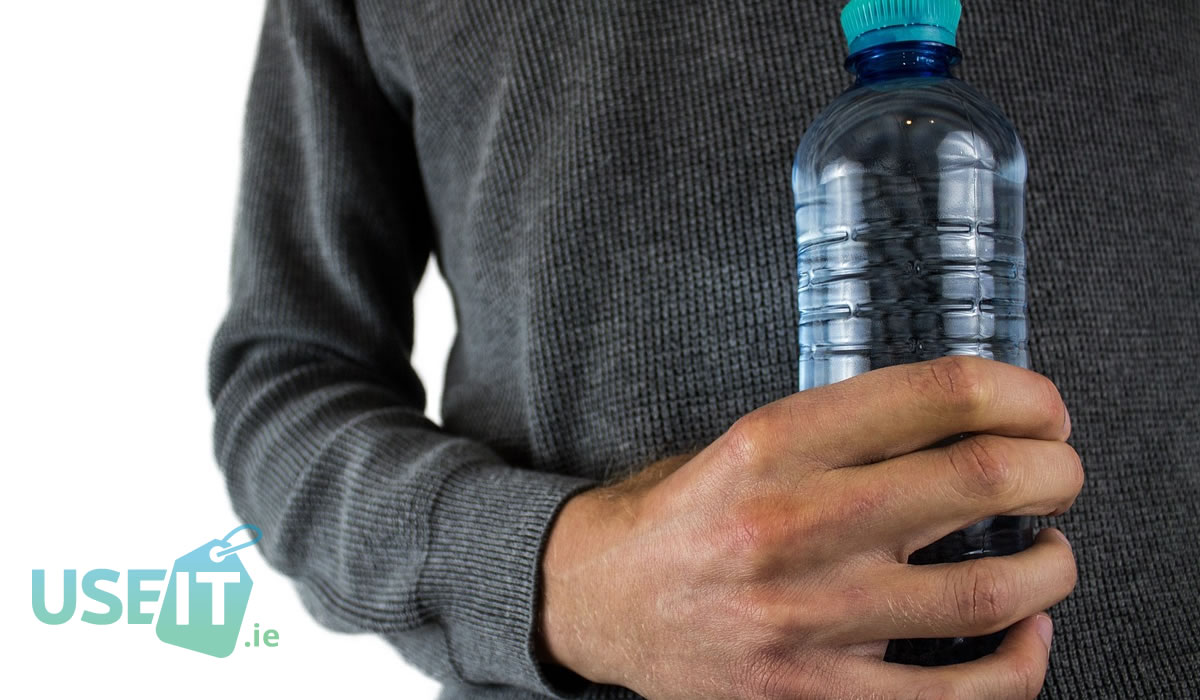
Wondering why you were charged extra for your bottles during purchase in Ireland? There’s an easy explanation. Since February 1, 2024, consumers in Ireland are being charged extra for certain beverage containers as part of the country’s new Deposit Return Scheme (DRS). This initiative aims to boost recycling rates and reduce litter from single-use drinks containers.
How the Scheme Works
Under the DRS, a small refundable deposit is added to the price of eligible drinks containers. The scheme applies to PET plastic bottles and aluminium and steel cans between 150ml and 3 litres in size. Here’s a breakdown of the deposit fees:
- 15 cent for containers from 150ml to 500ml
- 25 cent for containers over 500ml up to 3 litres
Why the Extra Charge?
The primary reasons for implementing this scheme are:
- Increasing Recycling Rates: Ireland needs to significantly improve its recycling rates for “on-the-go” bottles, which currently stands at only 23%. The country must reach a 90% recycling rate by 2029 to meet European targets.
- Reducing Litter: An estimated 5 million single-use drinks bottles are consumed daily in Ireland. The deposit scheme aims to reduce the number of these containers ending up as litter.
- Environmental Protection: By incentivizing returns, the scheme helps keep plastic and metal containers out of landfills, rivers, and seas, where they can harm wildlife and ecosystems.
Getting Your Deposit Back
Consumers can reclaim their deposit by returning empty, undamaged containers to participating retailers. Many stores will have Reverse Vending Machines (RVMs) where you can insert your containers and receive a voucher for the deposit amount.
Impact on Consumers
While the scheme may seem like a price increase at first, it’s important to remember that the deposit is fully refundable. For example:
- A standard 330ml can of Coke that previously cost €1.50 will now cost €1.65
- A four-pack of 750ml Evian water that retailed for €4.39 will now be €5.39
However, consumers can get this money back by returning the containers.
Conclusion
Ireland’s Deposit Return Scheme represents a significant step towards a more circular economy and improved environmental stewardship. While it requires some adjustment from consumers, the long-term benefits in terms of reduced litter and increased recycling rates are expected to outweigh the initial inconvenience. As the scheme progresses, it may even lead to the development of local recycling facilities, further boosting Ireland’s sustainability efforts.
24 thoughts on “Why are you charged extra for bottles in Ireland?”
Comments are closed.